
Planning Your Florida Holiday with a Neurodiverse Child: Flights, Timing and Preparation
: Planning a Florida holiday with an autistic or neurodiverse child? Discover practical tips for long-haul flights, airport support, Florida weather, sensory-friendly preparation, and reducing travel anxiety for UK families
5/30/20266 min read
# Planning Your Florida Holiday with a Neurodiverse Child: Flights, Timing and Preparation
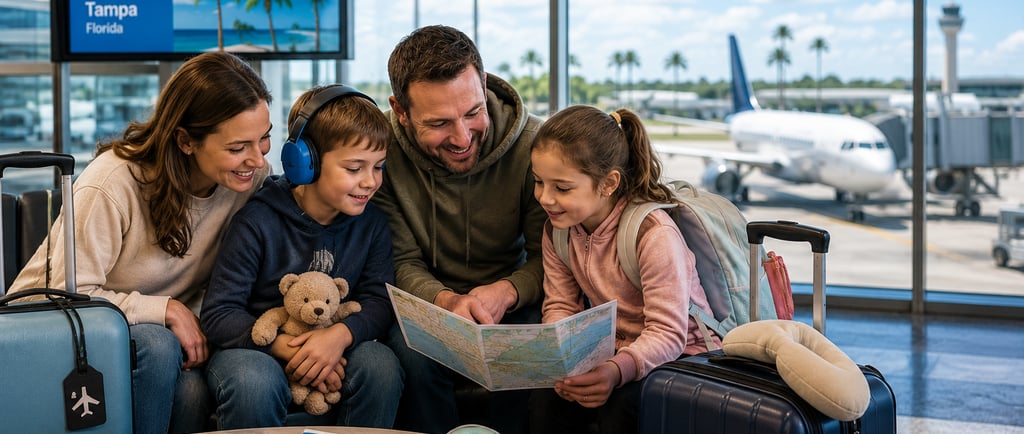
Planning a holiday to Florida is exciting for many families, but travelling with a neurodiverse child often requires additional preparation. Between the long-haul flight, busy airports, unfamiliar surroundings, extreme weather, and the excitement of theme parks, there can be many challenges along the way.
The good news is that with careful planning and realistic expectations, a Florida holiday can become an amazing experience for the whole family. If you're in the early stages of planning, our guide to Preparing Your Neurodiverse Child for Going on Holiday: A Family Travel Guide can help you start building confidence before your trip:
For many UK families, Florida offers a unique combination of sunshine, family attractions, spacious accommodation, and child-friendly facilities. However, understanding how to prepare for the journey itself can make a significant difference to the overall experience.
---
# Why Florida Appeals to Neurodiverse Families
Florida remains one of the most popular long-haul destinations for UK families. While Disney World and Universal Orlando often attract most of the attention, there are many reasons why Florida can work well for neurodiverse children.
Many resorts offer predictable routines, family villas provide private spaces for downtime, and there are plenty of opportunities to balance busy days with quieter activities.
Some neurodiverse children thrive when they have something exciting to focus on and anticipate. Theme parks, beaches, wildlife parks, swimming pools, and interactive attractions can all provide positive experiences when approached in a child-centred way.
However, Florida holidays often involve:
- 9–10 hour flights from the UK
- Large international airports
- High temperatures and humidity
- Long queues
- Changes to routine
- Sensory overload
Preparing for these challenges in advance can significantly reduce stress.
---
# Choosing the Best Time of Year to Visit Florida
Florida's weather is very different from the UK, and choosing the right season can make your holiday more comfortable.
## Spring (March to May)
Spring is often considered one of the best times to visit.
Benefits include:
- Warm temperatures
- Lower humidity
- Less extreme weather
- Comfortable conditions for outdoor activities
The downside is that Easter holidays can bring larger crowds.
---
## Summer (June to August)
Summer holidays are popular with UK families because they coincide with school breaks.
However, families should prepare for:
- Very high temperatures
- Heavy humidity
- Afternoon thunderstorms
- Busier theme parks
For neurodiverse children who struggle with heat or sensory overload, summer can be particularly challenging.
---
## Autumn (September to November)
September and October can offer lower crowd levels and reduced prices.
However, this period overlaps with hurricane season, which officially runs from June to November.
While most holidays are unaffected, weather disruptions can occasionally occur.
---
## Winter (December to February)
Winter can be an excellent choice for neurodiverse families.
Advantages include:
- Cooler temperatures
- Lower humidity
- Comfortable sightseeing conditions
Christmas periods can be extremely busy, but January and early February are often calmer.
---
# Preparing for a Long-Haul Flight to Florida
For many families, the flight is the most intimidating part of the holiday.
A journey to Orlando or Miami can involve:
- Early starts
- Security checks
- Waiting at the airport
- Boarding procedures
- Long periods sitting still
- Jet lag
Many autistic children benefit from knowing exactly what will happen before travel day.
Creating a visual countdown or social story can help children understand each stage of the journey. Organisations supporting autistic travellers often recommend using visual schedules and discussing sensory experiences ahead of time. (autismspeaks.org)
---
# Talking About the Flight in Advance
Children often feel more confident when they know what to expect.
You could:
- Watch airport videos online
- Look at photographs of the aircraft
- Show the route on a map
- Discuss take-off and landing
- Explain security procedures
- Practise sitting in a seatbelt at home
Many families find that gradually introducing these concepts reduces anxiety.
Some airports also offer familiarisation visits where children can experience parts of the airport journey before travel day. (HDS Sunflower)
---
# Airport Assistance Can Make a Huge Difference
Many parents do not realise how much support is available through UK airports.
Special assistance services can help with:
- Check-in
- Security
- Priority boarding
- Navigation through terminals
- Additional support during delays
If your child finds airports overwhelming, arranging assistance can remove a significant amount of pressure.
For a detailed guide, read:
Many UK airports also recognise the Hidden Disabilities Sunflower scheme, which discreetly signals that a passenger may need extra understanding, time, or support. (HDS Sunflower)
---
# Packing for Sensory Needs
Packing strategically can prevent many problems during travel.
Every child is different, but useful items may include:
- Noise-cancelling headphones
- Ear defenders
- Favourite snacks
- Comfort toys
- Tablets loaded with familiar content
- Sensory toys
- Weighted lap pads
- Sunglasses
- Familiar blankets
Experts frequently recommend bringing comfort items and familiar activities to help children regulate during long journeys. (autismspeaks.org)
It can also be useful to pack duplicate comfort items in separate bags in case one gets misplaced.
---
# Preparing for Airport Security
Airport security can be one of the most stressful parts of travelling.
Children may need to:
- Remove bags
- Walk through scanners
- Wait in queues
- Experience loud noises
Explaining these steps in advance can help reduce anxiety.
If your child wears ear defenders, uses sensory equipment, or has additional support needs, inform staff before entering security.
Many airports are becoming increasingly autism-aware and offer additional support when requested. (Autism Detect)
---
# Managing Travel Anxiety Before Departure
Travel anxiety often begins weeks before the holiday itself.
Signs may include:
- Sleep difficulties
- Increased stimming
- Irritability
- Questions about the trip
- Emotional outbursts
This doesn't necessarily mean the child doesn't want to go.
Often it reflects uncertainty and fear of change.
To help reduce anxiety:
- Use countdown calendars
- Create visual schedules
- Keep routines consistent
- Discuss plans gradually
- Avoid overwhelming children with too much information at once
Our detailed guide to managing travel anxiety can help:
---
# Choosing the Right Flight
When possible, consider your child's individual needs rather than simply choosing the cheapest option.
Questions to consider include:
- Would a direct flight be easier?
- Is overnight travel likely to help or worsen regulation?
- Would extra legroom help?
- Does your child prefer quieter flight times?
For some children, direct flights remove multiple transitions and reduce anxiety.
Others may benefit from a stopover to break up the journey.
There is no single correct answer.
---
# Handling Delays and Unexpected Changes
One of the biggest challenges when travelling with neurodiverse children is unpredictability.
Flight delays happen.
Weather changes happen.
Plans sometimes need adjusting.
Preparing children for this possibility beforehand can help.
You might include scenarios within social stories such as:
- Waiting longer at the airport
- Changing boarding gates
- Sitting on the aircraft before take-off
- Queueing unexpectedly
The goal is not to create worry but to make changes feel less surprising.
---
# Jet Lag and Time Differences
Florida is typically five hours behind the UK.
For some children this adjustment is relatively easy.
For others, disrupted sleep can affect behaviour and emotional regulation.
Some families find it helpful to:
- Gradually adjust bedtimes before travel
- Spend time outdoors on arrival
- Avoid overscheduling the first day
- Prioritise rest
A slower start often leads to a more successful holiday overall.
---
# Planning Rest Days
One common mistake families make is trying to fit too much into their itinerary.
Florida offers countless attractions, but many neurodiverse children benefit from downtime between busy days.
Consider alternating:
- Theme park day
- Pool day
- Theme park day
- Beach day
This approach often reduces sensory overload and helps maintain regulation.
Remember that success does not have to mean doing everything.
Sometimes the best holiday memories come from the quieter moments.
---
# Creating a Flexible Holiday
Many parents feel pressure to make Florida a "perfect" holiday because of the cost and planning involved.
However, flexibility is often the key to success.
You may need to:
- Leave attractions early
- Skip certain activities
- Change plans at short notice
- Take extra breaks
That is completely normal.
A child-centred approach often leads to a more enjoyable experience for everyone.
---
# Final Thoughts
Planning a Florida holiday with a neurodiverse child takes time, preparation, and flexibility, but it can absolutely be worth it.
The long-haul flight may feel daunting at first, yet many families discover that with the right support, visual preparation, sensory tools, and realistic expectations, the journey becomes much more manageable.
Florida offers sunshine, family-friendly accommodation, exciting attractions, and opportunities to create unforgettable memories together. By preparing early and focusing on your child's individual needs rather than trying to follow a perfect itinerary, you can build a holiday experience that works for your family.
The goal is not perfection.
The goal is confidence, comfort, and creating positive experiences that allow your child to enjoy the adventure in their own way.
## Further Reading
- Preparing Your Neurodiverse Child for Going on Holiday: A Family Travel Guide
- Airport Assistance for Neurodiverse Kids: UK Family Travel Tips for Stress-Free Flying
- Managing Travel Anxiety for Neurodiverse Kids: Practical Tips for Stress-Free Family Travel
## Sources
- National Autistic Society holiday travel guidance (National Autistic Society)
- Autism Speaks air travel advice (autismspeaks.org)
- Hidden Disabilities Sunflower travel guidance (HDS Sunflower)
- UK autism travel planning advice (Autism Detect)

