
Preparing Your Neurodiverse Child for Going on Holiday: A Family Travel Guide
Travelling with a neurodiverse child? Discover practical tips to reduce anxiety, manage sensory needs, and enjoy stress-free family holidays
GETTING STARTED
5/1/20265 min read
Introduction
Affiliate Disclosure: This article may contain affiliate links to family travel products, sensory aids, and holiday essentials for neurodiverse children. If you purchase through these links, Holidays and Kiddos may earn a small commission at no extra cost to you.
Family holidays are meant to be exciting and relaxing—but when you’re travelling with a neurodiverse child, they can also feel overwhelming. Changes in routine, unfamiliar environments, sensory challenges, and long journeys can create anxiety for children with autism, ADHD, sensory processing differences, or other neurodivergent needs.
If you’re just starting out, this helpful guide on travelling with kids stress-free offers a great foundation alongside the tips below.
The good news? With thoughtful planning and a flexible approach, you can create a smooth, enjoyable holiday experience for the whole family.
This guide shares practical, parent-friendly strategies to help you prepare your neurodiverse child for travel—so everyone can enjoy the journey.
Understanding Travel Challenges for Neurodiverse Children
Before you begin planning, it helps to understand what might feel difficult for your child.
You may also find it useful to read about sensory-friendly travel tips to better understand how environments can impact your child.
Common challenges include:
Disrupted routines and sleep patterns
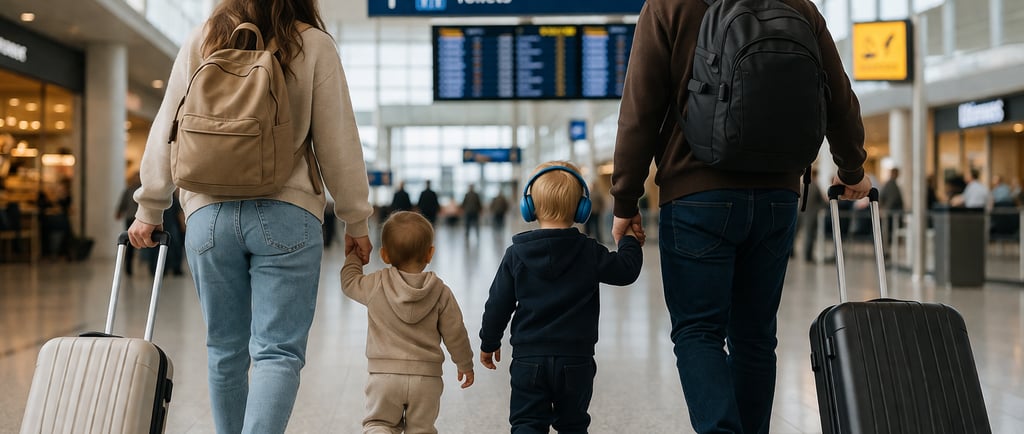
Busy airports, stations, or transport hubs
New sensory experiences (noise, smells, crowds)
Unfamiliar accommodation
Waiting times and transitions
Recognising these in advance allows you to plan proactively and reduce stress.
1. Start Preparing Early
Preparation is one of the most powerful tools you have.
Help your child understand what to expect by:
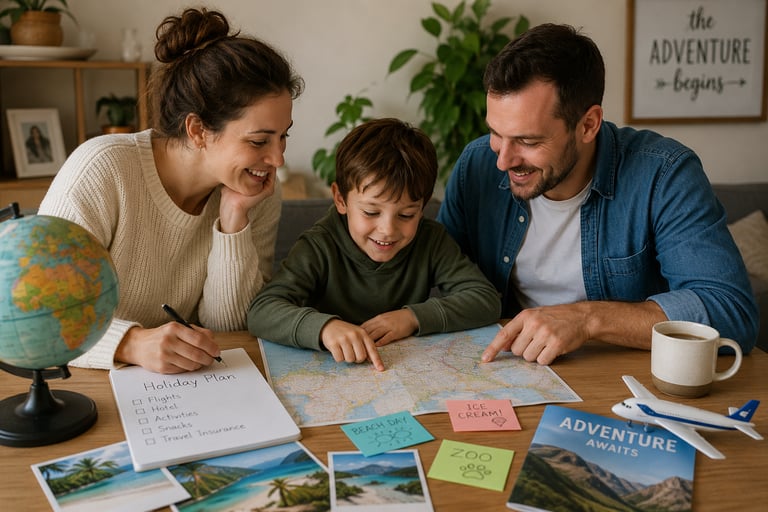
Talking about the trip well in advance
Showing photos or videos of your destination
Explaining each step of the journey
Using visual schedules or social stories
Tip: Repeat information regularly to build familiarity and confidence.
2. Keep Routines as Consistent as Possible
While holidays naturally disrupt daily life, maintaining key routines can provide comfort.
Try to keep:
Bedtime and wake-up times consistent
Regular meals and snacks
Familiar calming activities
Even small routines—like reading a bedtime story—can help your child feel secure in a new environment.
3. Pack a Sensory Travel Kit
A well-prepared travel bag can make a huge difference during your journey.
Include:
Noise-cancelling headphones or ear defenders
Favourite toys or comfort items
Snacks your child enjoys
Fidget toys or sensory tools
A tablet with familiar shows or games
For more ideas, check out this guide to must-have travel essentials for kids.
4. Plan the Journey Carefully
Travel itself is often the most challenging part of a holiday.
To make it smoother:
Travel during quieter times if possible
Book seats in advance
Allow extra time to avoid rushing
Prepare your child for waiting or delays
Many airports now offer assistance services or quiet spaces—worth checking in advance.
5. Prepare for Your Accommodation
New environments can feel overwhelming.
Before you go:
Show your child photos of where you’ll be staying
Explain sleeping arrangements
When you arrive:
Set up familiar items from home
Create a calm, safe space for downtime
This helps your child settle more quickly.
6. Build in Downtime
It’s tempting to fill your holiday with activities—but this can lead to overwhelm.
Instead:
Plan one or two activities per day
Schedule regular breaks
Allow time to rest and recharge
Remember: Downtime is essential, not optional.
7. Stay Flexible with Plans
Even the best plans may need to change.
Your child might:
Feel overwhelmed
Refuse an activity
Need to leave early
That’s okay.
A successful holiday is one where your child feels safe—not one where everything goes perfectly.
8. Communicate Daily Plans Clearly
Let your child know what to expect each day.
You can:
Use a simple daily schedule
Talk through plans each morning
Give advance warnings before transitions
Example: “In 10 minutes, we’re going to the beach.”
Clear communication reduces anxiety and builds trust.
9. Watch for Signs of Overwhelm
Even with preparation, your child may become overstimulated.
Look for:
Increased stimming
Irritability or withdrawal
Signs of sensory overload
If needed:
Take a break
Move to a quieter space
Use calming tools
Responding early helps prevent escalation.
10. Focus on Enjoyment, Not Perfection
Forget the idea of a “perfect” holiday.
Instead, focus on:
Small moments of joy
Your child’s comfort and happiness
Spending quality time together
Your holiday doesn’t need to look like anyone else’s—it just needs to work for your family.
Final Thoughts
Travelling with a neurodiverse child may require extra planning, but it can also be incredibly rewarding. By preparing ahead, maintaining structure, and staying flexible, you can create a holiday that feels calm, inclusive, and enjoyable.
Every child is different—so trust your instincts and adapt as you go.
Because at the end of the day, the best holidays aren’t perfect—they’re the ones where everyone feels supported, relaxed, and connected.


Frequently asked questions
How can I prepare my neurodiverse child for going on holiday?
Preparing a neurodiverse child for travel starts with creating predictability and reducing anxiety around unfamiliar experiences. Many families find success using visual schedules, social stories, countdown calendars, and destination photos before travelling. Watching videos of airports, hotels, or attractions can also help children understand what to expect. Read our complete guide on preparing your neurodiverse child for going on holiday for more practical tips
What are the best autism-friendly holiday destinations for families?
Many neurodiverse families prefer calmer destinations with predictable routines, spacious environments, and sensory-friendly activities. Popular autism-friendly holiday destinations include beach resorts, countryside retreats, and quieter family resorts in destinations such as Spain, Portugal, and Morocco. Locations like Agadir are becoming increasingly popular for autism-friendly family holidays because of their relaxed pace and spacious resort environments
How do I reduce travel anxiety in autistic children?
Reducing travel anxiety in autistic children involves maintaining routines, planning regular breaks, and preparing children well in advance. Sensory tools such as ear defenders, fidget toys, tablets, and familiar comfort items can help children feel calmer during flights and long journeys. Allowing children some control over activities and daily plans can also reduce stress and improve confidence while travelling
What should I pack for a holiday with a neurodiverse child?
Packing for a neurodiverse family holiday should include both practical essentials and sensory comfort items. Helpful items may include:
Noise-cancelling headphones
Favourite snacks
Sensory toys
Tablets or familiar entertainment
Weighted blankets or lap pads
Comfort items from home
Visual schedules
Spare clothes and toiletries
Creating a dedicated sensory travel kit can help prevent sensory overload and support emotional regulation during travel
Are all-inclusive resorts good for families with autistic children?
Many families find autism-friendly all-inclusive resorts helpful because they provide structure, routine, and easy access to food and activities without constant decision-making. Resorts with quieter areas, family rooms, sensory-friendly spaces, and flexible dining options can make travelling with autistic children significantly less stressful. Researching resorts carefully and contacting hotels in advance about your child’s needs can make a big difference to your overall holiday experience

