
Neurodiverse Kids and Fussy Eating on Holiday: Practical Coping Strategies for Parents
Travelling with a neurodiverse child who is a fussy eater? Discover practical coping strategies for holidays, autism food aversions, safe foods, sensory challenges, and stress-free family travel tips for autistic children abroad.
TRAVELLING WITH A NEURODIVERSE CHILD
6/2/20264 min read
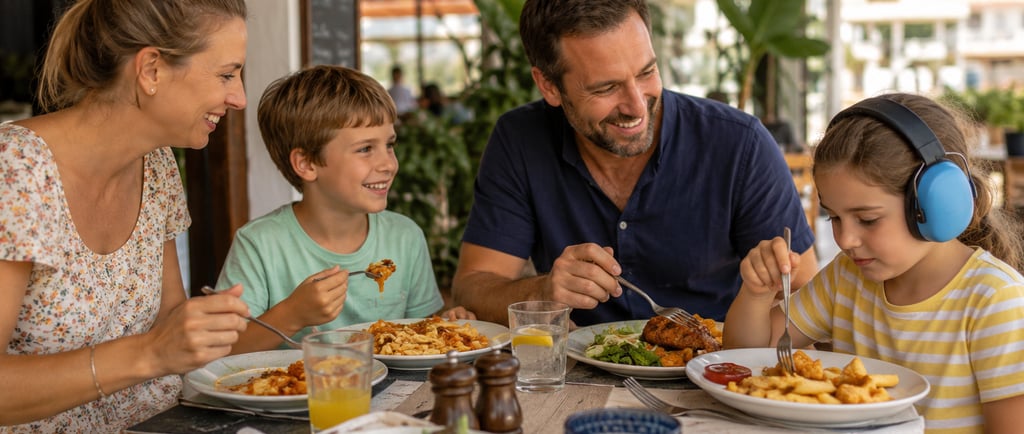
Family holidays can feel stressful when your child is a fussy eater—especially if they are autistic or neurodiverse. New environments, unfamiliar foods, disrupted routines, and sensory overload can quickly turn mealtimes into one of the hardest parts of travelling.
For many neurodiverse children, fussy eating is not simply “being picky.” Food aversions are often linked to sensory sensitivities, anxiety, predictability, texture preferences, and routine-based comfort eating.
The good news is that holidays can still be enjoyable with the right preparation and flexible expectations. If you are planning a family trip, our pillar guide on Preparing your neurodiverse child for going on holiday: A Family Travel Guide is a great place to start before travelling abroad.
Why Neurodiverse Children May Struggle with Food on Holiday
Many autistic and neurodiverse children rely on familiar foods because they feel predictable and safe. Sensory differences can make certain textures, smells, temperatures, or colours overwhelming.
Common challenges include:
Refusing unfamiliar foods
Anxiety around restaurants
Sensitivity to smells or noise
Difficulty coping with buffet environments
Strong preferences for specific brands or textures
Fear of trying new foods
Reduced appetite due to travel anxiety
Research also shows that food selectivity is more common in autistic children than neurotypical children.
When travelling, these challenges can intensify because routines change dramatically.
Lower Your Expectations Around Food
One of the most important coping strategies is adjusting expectations during your holiday.
Many parents feel pressure to ensure their child eats “properly” while away, but survival mode is sometimes the realistic goal during travel. Holidays are temporary, and maintaining your child’s comfort and emotional regulation matters more than creating perfectly balanced meals every day.
If your child mainly eats beige foods, snacks, bread, chips, pasta, or familiar branded items while abroad—that is okay.
Safe foods reduce stress.
Low-stress eating environments often help children feel more confident and may eventually encourage exploration naturally.
Bring Familiar Snacks from Home
Packing familiar snacks can make a huge difference during travel days and the first few days abroad.
Consider bringing:
Favourite cereal bars
Crackers
Dry snacks
Familiar biscuits
Breadsticks
Instant noodles
Branded snacks your child trusts
Airports, flights, and hotels may not stock the exact foods your child accepts. Having safe options available immediately can prevent hunger-related meltdowns.
This is especially important for long-haul travel or destinations where food differs significantly from UK eating habits.
Research Food Before You Travel
Preparation reduces anxiety for both children and parents.
Before your trip:
Look at hotel restaurant menus online
Search supermarket availability
Save photos of foods available abroad
Watch hotel buffet videos on YouTube
Show your child pictures of meals beforehand
Visual preparation helps neurodiverse children know what to expect.
If your child only eats specific brands, check whether they are available locally or consider packing extras in your luggage.
Consider Self-Catering Accommodation
For many neurodiverse families, self-catering accommodation can dramatically reduce food stress.
Having access to a kitchen means you can:
Cook familiar meals
Keep routines consistent
Avoid overwhelming restaurants
Prepare food exactly how your child prefers
Reduce pressure around mealtimes
Private villas or apartments can also provide quieter environments compared with busy hotels and all-inclusive buffets.
You can read more in our guide to Private villas vs hotels when travelling with an autistic child abroad.
Avoid Forcing New Foods
Parents often worry about nutrition while travelling, but forcing foods usually increases anxiety and resistance.
Experts recommend gradual exposure instead of pressure.
Helpful approaches include:
Letting your child explore food visually first
Allowing them to smell or touch foods without pressure to eat
Offering tiny portions alongside safe foods
Keeping mealtimes calm and low-pressure
Celebrating small wins
Even sitting near unfamiliar food can be progress for some children.
Create Predictable Mealtime Routines
Neurodiverse children often feel calmer when routines stay predictable.
Try to:
Eat at similar times each day
Keep familiar snacks available
Use the same cups or plates if possible
Maintain bedtime routines
Prepare your child before restaurant visits
Predictability helps reduce travel anxiety and can improve food tolerance overall.
Our article on travelling with a neurodiverse child abroad includes additional strategies for maintaining routines while away.
Be Careful with Busy Buffets
Buffets can be overwhelming sensory experiences.
Bright lights, crowds, smells, noise, and unfamiliar food displays may cause anxiety or shutdowns.
Instead of expecting your child to manage the entire buffet experience:
Walk around together first
Choose quieter dining times
Allow your child to observe before selecting food
Bring familiar snacks to the table
Start with one safe item
Some children prefer plain foods from buffet stations such as bread, chips, pasta, rice, or fruit.
That is completely valid.
Use Technology and Comfort Items
Mealtimes in unfamiliar places can feel exhausting for neurodiverse children.
It is okay to use support tools during holidays, including:
Tablets
Headphones or ear defenders
Favourite toys
Comfort blankets
Visual schedules
Timers
Holiday survival sometimes means being more flexible than usual.
Prepare for Airport and Flight Challenges
Travel days can be particularly difficult because food routines disappear entirely.
Airports are noisy, crowded, and unpredictable.
Helpful strategies include:
Packing plenty of snacks in hand luggage
Eating before security queues
Carrying refillable water bottles
Avoiding pressure around airport meals
Bringing sensory aids
Many families find that children eat less during travel days because of anxiety. This is common and usually temporary.
Don’t Compare Your Family to Others
One of the hardest parts of travelling with a neurodiverse child can be feeling judged by other people.
You may see families enjoying adventurous meals while your child only eats plain pasta for seven nights straight.
That does not mean you are failing.
A successful holiday for a neurodiverse family may simply mean:
Reduced stress
Fewer meltdowns
Comfortable routines
Feeling safe
Creating happy memories together
That is enough.
When to Seek Additional Support
If your child’s eating becomes extremely restrictive or impacts growth, nutrition, or daily life, professional support may help.
Some children may experience ARFID (Avoidant Restrictive Food Intake Disorder), which can overlap with autism and sensory sensitivities.
Support may include:
Dietitians
Occupational therapists
Feeding specialists
Autism support services
For additional guidance on food aversions and autism, Autism Speaks’ expert guide on autism and food aversions offers practical strategies for families.
Final Thoughts
Holidays with neurodiverse children rarely look perfect—and that is okay.
When your child is a fussy eater, flexibility and preparation are far more important than perfect nutrition during a trip. Familiar foods, reduced pressure, predictable routines, and sensory support can make travelling much calmer for everyone.
Most importantly, remember that holidays are about connection, comfort, and shared experiences—not forcing children to eat foods that overwhelm them.
With thoughtful planning, neurodiverse family travel can absolutely still be enjoyable.

