
The Complete Guide to Visiting Majorca with a Neurodiverse Child
Planning a Majorca holiday with an autistic child? Discover the best resorts, quiet beaches, family accommodation, travel tips and a 7-day itinerary
EUROPEAN HOLIDAYS
7/14/202615 min read
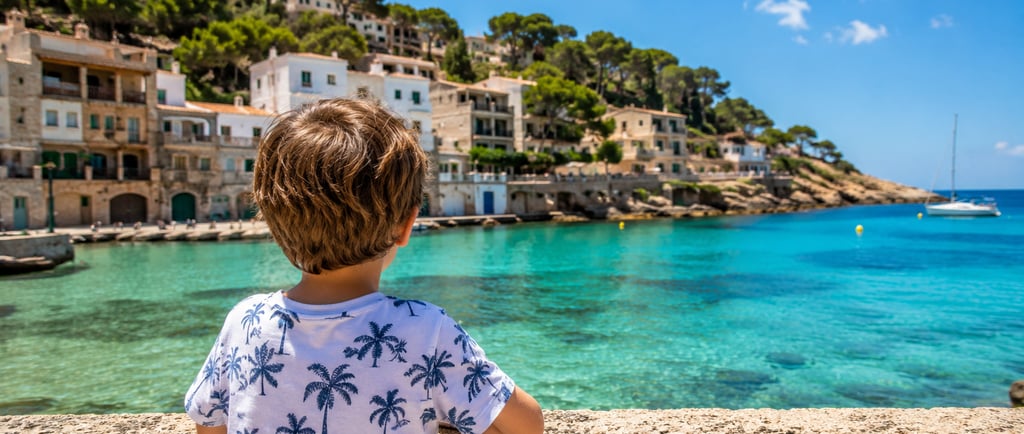
The Complete Guide to Visiting Majorca with a Neurodiverse Child (2026)
If you're considering Majorca with an autistic child, you're certainly not alone. Over the last few years, Majorca (Mallorca) has become one of the most popular destinations for UK families looking for sunshine, short flights and family-friendly resorts. For parents of neurodiverse children, it offers something just as valuable: flexibility.
Whether your child thrives on routine, prefers quieter surroundings, struggles with unfamiliar food or becomes overwhelmed by busy environments, Majorca offers a wide variety of holiday styles. From peaceful private villas with their own swimming pools to family resorts packed with entertainment, you can tailor the holiday to suit your child's individual needs rather than trying to make your child fit the holiday.
When we first started travelling abroad as a family, I quickly realised that success wasn't about choosing the most luxurious hotel or the biggest waterpark. It was about understanding what my children could cope with and planning around that. That's exactly why Majorca has become such a popular destination for Majorca neurodiverse family holidays.
If this is your first trip abroad, I would also recommend reading our Preparing Your Neurodiverse Child for Going on Holiday guide before you book. It covers visual schedules, countdowns, social stories and practical preparation that can make travelling much less stressful.
You may also find our Complete Guide to Travelling with an Autistic Child useful, as it covers everything from airports and flights to accommodation and daily routines abroad.
In this guide you'll discover everything you need to know about planning an autism-friendly Majorca holiday, including:
The best resorts for different sensory needs
When to visit for quieter holidays
Choosing between hotels and private villas
Quiet beaches and attractions
Eating with picky eaters
Medical facilities and pharmacies
Budget planning
A suggested seven-day itinerary
Whether you're planning your first overseas adventure or your tenth family holiday, this guide is designed to help you travel with confidence.
Why Majorca is Ideal for Neurodiverse Families
There are hundreds of family destinations across Europe, but Majorca continues to stand out for several reasons.
Short travelling time
One of the biggest challenges for many neurodiverse children is simply getting there.
A shorter journey often means:
Less waiting
Less disruption to routine
Fewer opportunities for sensory overload
Reduced anxiety
Easier management of meals and medication
A flight of around two and a half hours feels much more manageable than spending eight or nine hours travelling to long-haul destinations.
A huge choice of accommodation
Unlike destinations where nearly every family stays in large hotels, Majorca offers incredible variety.
You can choose from:
Quiet private villas
Small apartment complexes
Boutique hotels
Family resorts
Large all-inclusive hotels
Rural fincas in the countryside
This means you can match the accommodation to your child's needs.
Some children love organised entertainment and swimming pools full of activity.
Others prefer calm mornings by a private pool where they can regulate without noise or crowds.
There isn't a "right" choice—only the one that works best for your family.
Familiar food
Food anxiety is common among autistic children.
Fortunately, Majorca is one of the easiest destinations in Europe when it comes to familiar meals.
Restaurants frequently serve:
Pasta
Chips
Pizza
Chicken nuggets
Burgers
Toast
Ice cream
Fresh fruit
Many supermarkets also stock familiar UK brands, making self-catering straightforward if your child prefers predictable foods.
Family-focused culture
Spanish culture is generally welcoming towards families.
Children eating later in the evening isn't unusual, and restaurants are often relaxed about children moving around a little while waiting for food.
Parents usually feel less pressure if their child needs a short walk or a break during meals.
While every situation is different, many families find this relaxed atmosphere reduces stress significantly.
Plenty of outdoor space
One thing I particularly like about Majorca is how much time you naturally spend outdoors.
Instead of noisy indoor attractions, you'll find:
Beaches
Nature reserves
Harbour walks
Boat trips
Gentle promenades
Parks
Open-air cafés
For many neurodiverse children, having room to move and regulate can make a huge difference.
Flexible holiday styles
No two neurodiverse children are alike.
Some families spend every day exploring.
Others prefer one activity followed by a quiet afternoon at the villa.
Majorca works well because it doesn't force one style of holiday.
You can be as active—or as relaxed—as you like.
Flight Time from the UK
One of Majorca's biggest advantages is its accessibility from the UK.
Approximate direct flight times are:
Departure AirportFlight TimeManchester2 hours 35 minutesBirmingham2 hours 30 minutesLiverpool2 hours 35 minutesBristol2 hours 25 minutesLondon Gatwick2 hours 20 minutesLondon Stansted2 hours 25 minutesNewcastle2 hours 50 minutesGlasgow3 hours
Because flights are relatively short, many children can manage with:
Favourite snacks
Downloaded programmes
Colouring books
Small sensory toys
Ear defenders
Comfort blankets
If your child experiences anxiety before flying, our Travel Anxiety Guide includes practical strategies that have worked for many families, including ours.
If your child benefits from additional support in airports, don't forget to arrange assistance in advance and consider using Hidden Disabilities Sunflower Lanyards, which can discreetly let airport staff know that your child may need extra understanding or time.
Best Airports in Majorca
Majorca has one main international airport:
Palma de Mallorca Airport (PMI)
This is one of Spain's busiest airports and receives flights from across the UK throughout the year.
Despite being busy during the summer months, the airport is modern, well signposted and offers:
Family toilets
Baby changing facilities
Plenty of seating
Cafés
Shops
Accessible services
Taxi ranks
Car hire companies
Shuttle buses
Transfer times vary depending on your chosen resort.
ResortApproximate TransferPalma Nova25 minutesSanta Ponsa30 minutesAlcúdia50–60 minutesPlaya de Muro60 minutesCala d'Or60–70 minutesPuerto Pollensa55 minutes
If your child struggles after travelling, a shorter transfer may make a noticeable difference.
Best Time to Visit
Choosing the right time of year can dramatically affect your holiday.
The weather, crowds and prices vary considerably across the seasons.
April
Pros
Warm but comfortable
Quieter beaches
Lower prices
Easier restaurant bookings
Cons
Sea can still feel chilly
Some attractions have shorter opening hours
Excellent for families who prefer calm surroundings.
May
One of the best months to visit.
You'll usually enjoy:
Pleasant temperatures
Longer daylight
Quiet resorts
Comfortable sightseeing
Many neurodiverse families find May strikes the perfect balance between good weather and manageable crowds.
June
Warm and lively without reaching peak summer levels.
Ideal for:
Beach holidays
Villa stays
Waterparks
Boat trips
July and August
Expect:
High temperatures
Busy beaches
School holiday crowds
Longer queues
For children who find noise, heat or waiting difficult, these months may be more challenging.
September
Another excellent month.
The sea remains warm, but visitor numbers begin to fall.
Many parents describe September as one of the most relaxing times to visit Majorca.
October
Often overlooked, October offers:
Pleasant temperatures
Fewer tourists
Lower accommodation costs
Relaxed atmosphere
A fantastic option for families with preschool children who aren't tied to school holidays.
Weather Throughout the Year
Here's a general guide to average daytime temperatures.
MonthAverage TemperatureJanuary15°CFebruary15°CMarch17°CApril20°CMay24°CJune28°CJuly31°CAugust31°CSeptember28°COctober24°CNovember19°CDecember16°C
Summer offers fantastic beach weather but remember that heat itself can become an additional sensory challenge.
If your child struggles with heat, plan outdoor activities early in the morning before returning somewhere cooler during the hottest part of the day.
Choosing the Right Resort
Choosing the right resort is often more important than choosing the island itself.
Different parts of Majorca offer completely different experiences.
When deciding where to stay, think about:
Does my child enjoy busy environments?
Would they benefit from a quieter location?
Do they need familiar entertainment?
Would walking everywhere reduce stress?
Is a shorter airport transfer important?
Rather than choosing the most popular resort, choose the one that best suits your family's needs and routines.
One of the reasons Majorca with an autistic child works so well is that no two resorts are the same. Some are lively and packed with entertainment, while others are quieter and better suited to children who become overwhelmed by crowds or noise.
Rather than asking, "Which is the best resort in Majorca?", I always encourage parents to ask, "Which resort is best for mychild?" A holiday that is perfect for one neurodiverse family might be far too busy for another.
Let's take a closer look at some of the island's most popular areas.
Best Resorts for Neurodiverse Families
Alcúdia
Alcúdia is one of the most recommended resorts for families travelling with young children, and for good reason.
The beach is one of the best on the island, with soft white sand and a long stretch of shallow, calm water. This makes it ideal for children who enjoy paddling or playing near the shoreline without sudden drops in depth.
The promenade is flat, making it easy for buggies and children who like to walk at their own pace, and there are plenty of restaurants and supermarkets nearby.
Why it works well
Long sandy beach
Calm sea
Plenty of family accommodation
Easy walking
Lots of green space
Good choice of quieter hotels
Things to consider
The harbour area can become busy during July and August, especially in the evenings.
Playa de Muro
If your child enjoys the beach but dislikes crowds, Playa de Muro is one of my favourite recommendations.
Although it sits next to Alcúdia, it feels much quieter and more spacious. The beach stretches for several kilometres, so it's usually possible to find your own quieter spot away from the busiest areas.
Many hotels are spread out rather than packed closely together, helping create a calmer atmosphere.
Ideal for
Sensory-sensitive children
Families wanting quieter beaches
Villa holidays
Gentle evening walks
Cala d'Or
Cala d'Or has a completely different feel.
Instead of one enormous beach, you'll find several small coves with turquoise water.
The town itself has a relaxed atmosphere with low-rise white buildings and a pleasant marina.
Children who enjoy watching boats or exploring different beaches often love Cala d'Or.
Pros
Beautiful coves
Calm atmosphere
Family restaurants
Easy to explore
Attractive marina
Cons
The beaches are smaller, so they can feel busy during school holidays.
Puerto Pollensa
Puerto Pollensa is often overlooked, but it's one of the quietest areas on the island.
There's a lovely seafront promenade with plenty of room to walk, cycle or scoot.
Even in summer, it usually feels more relaxed than some of the larger resorts.
Families looking for a slower pace often return year after year.
Best for
Older children
Relaxed holidays
Quiet evenings
Scenic surroundings
Palma Nova
Palma Nova is popular with British families and offers plenty to do.
You'll find:
Large beaches
Mini golf
Boat trips
Family entertainment
Water sports
Plenty of restaurants
Although busier than Puerto Pollensa or Playa de Muro, choosing accommodation slightly away from the centre can provide a good balance between activities and quieter evenings.
Santa Ponsa
Santa Ponsa combines a sandy beach with a more relaxed atmosphere than nearby Magaluf.
It has plenty of supermarkets, cafés and family-friendly accommodation while avoiding much of the late-night nightlife associated with other resorts.
Its relatively short airport transfer is another advantage for children who struggle after travelling.
Hotels vs Private Villas
One of the biggest decisions you'll make when planning your Majorca neurodiverse family holiday is where to stay.
There isn't a single correct answer—it depends entirely on your child's needs.
If you'd like a more detailed comparison, read our guide to Private Villas vs Hotels.
Why choose a hotel?
Hotels can be a fantastic option for children who thrive on routine and enjoy organised activities.
Benefits include:
Buffet meals
Entertainment
Kids' clubs
Swimming pools
Daily housekeeping
Reception staff available 24 hours
Having meals available at regular times can reduce planning and make the day feel more predictable.
Possible drawbacks
Large hotels can also bring:
Crowded restaurants
Loud entertainment
Queueing
Busy pools
Noise in corridors
For some autistic children, this level of stimulation may become overwhelming after a few days.
Why choose a private villa?
Private villas have become our preferred choice because they allow us to control the environment.
Advantages include:
Your own private pool
Quiet surroundings
Flexible meal times
Space to regulate
Familiar routines
No crowded dining rooms
Easier bedtimes
Less sensory overload
If your child needs downtime after busy mornings, returning to a peaceful villa can make the rest of the day much more enjoyable.
Self-catering or all-inclusive?
Both options have their benefits.
All-inclusive holidays work well if your child enjoys buffet food and likes routine around meal times.
Self-catering gives families complete flexibility, especially for selective eaters or children who prefer familiar foods.
Our guide to All Inclusive vs Self Catering Holidays explains the pros and cons of each option in much more detail.
Quiet Beaches in Majorca
Busy beaches aren't for everyone.
Fortunately, Majorca has plenty of calmer alternatives where children can play without the constant noise found at some larger resorts.
Playa de Muro
Often considered one of the island's best family beaches.
Why it's great:
Wide sandy beach
Gentle sea
Plenty of space
Easy parking
Less crowded than neighbouring beaches
Cala Mesquida
A beautiful beach surrounded by sand dunes.
Outside peak season it often feels wonderfully peaceful.
Ideal for families wanting a quieter day away from the busiest resorts.
Cala Mondragó
Located within a protected natural park.
Children who enjoy nature may love exploring the surrounding walking trails before relaxing on the beach.
Cala Agulla
Clear water and soft sand make Cala Agulla another excellent option.
Arriving early in the morning usually provides the calmest experience.
Es Trenc
One of Majorca's most famous beaches.
Although popular, its enormous size means it's often possible to find quieter areas by walking a little further along the shoreline.
Sensory-Friendly Attractions
Not every holiday needs to revolve around busy theme parks.
Majorca offers plenty of attractions that are naturally calming.
Palma Aquarium
One of the island's best family attractions.
Many children enjoy watching colourful fish and sharks in the large tanks, and the lighting is generally calmer than many indoor attractions.
Visiting shortly after opening can help avoid crowds.
Glass-bottom boat trips
Boat trips can be surprisingly relaxing.
The gentle movement of the boat and the opportunity to watch fish through the glass panels appeal to many children.
Choose shorter trips if your child struggles sitting still for long periods.
Marineland
Marineland combines marine animals with outdoor shows and gardens.
Watching sea lions and dolphins can be enjoyable, although you may prefer quieter weekday performances.
S'Albufera Nature Reserve
If your child enjoys wildlife rather than busy attractions, this protected wetland is a fantastic choice.
Flat walking paths make it accessible for families, and birdwatching can provide a peaceful change from the beach.
Palma Old Town
Rather than rushing through sightseeing, take your time exploring the quieter side streets, stopping for ice cream or simply watching the world go by.
Children often enjoy the open squares far more than traditional museums.
Supermarkets and Familiar UK Food
Food can be one of the biggest worries before travelling abroad.
Fortunately, Majorca is one of the easiest destinations for finding familiar foods.
Major supermarkets include:
Mercadona
Eroski
Lidl
Aldi
Carrefour
You'll usually find:
Bread
Pasta
Rice
Chicken
Frozen chips
Cereals
Crisps
Yoghurts
Fresh fruit
Milk
Juice
Biscuits
Many supermarkets also stock international brands alongside Spanish products.
If your child only eats a small selection of foods, it may still be worth packing a few favourite snacks from home, especially for the first couple of days while they adjust.
Familiar Restaurants
Majorca has a huge range of restaurants catering to British families.
You'll easily find:
Pizza
Pasta
Burgers
Chips
Toasted sandwiches
Grilled chicken
Ice cream
Pancakes
Many restaurants are happy to simplify meals, such as serving plain pasta with butter or chicken without sauces.
If eating out is a source of anxiety for your child, our guide to Eating Out with Neurodiverse Children includes practical tips for making restaurant visits more relaxed and enjoyable.
By choosing the right resort, accommodation and daily activities, you'll already have laid the foundations for an enjoyable family holidays Majorca autism experience.
One of the biggest worries many parents have before travelling abroad is, "What happens if something goes wrong?" Whether it's a forgotten medication, an ear infection, a stomach bug or simply needing advice from a pharmacist, it's reassuring to know that Majorca has excellent healthcare facilities and is well equipped for family holidays.
With a little preparation, you can enjoy your holiday knowing that help is available if you need it.
Medical Facilities
Majorca has an excellent healthcare system, with both public and private medical services available across the island.
Most popular resorts have nearby medical centres, and larger towns have hospitals with emergency departments. Many doctors and healthcare professionals speak English, particularly in tourist areas.
Some of the main hospitals include:
Son Espases University Hospital (Palma)
Hospital Quirónsalud Palmaplanas (Palma)
Hospital Juaneda Miramar (Palma)
Hospital de Muro (north-east Majorca)
If your child has ongoing medical needs, it's a good idea to:
Carry a summary of their medical history.
Bring enough medication for your entire trip, plus a few extra days in case of delays.
Keep medicines in their original packaging with prescription labels where possible.
Carry essential medication in your hand luggage.
Check your travel insurance covers any pre-existing conditions.
Don't forget to apply for or renew your UK Global Health Insurance Card (GHIC) before travelling. While it isn't a replacement for travel insurance, it can provide access to medically necessary state healthcare in Spain.
Pharmacies
Pharmacies ("Farmacia") are easy to find throughout Majorca and are identified by a green illuminated cross.
Many stock:
Children's pain relief
Antihistamines
Plasters
Thermometers
Sunscreen
Oral rehydration salts
Insect bite creams
Travel sickness medication
If your regular pharmacy items are part of your child's routine, it is still worth bringing them from home.
Many pharmacists in tourist areas speak excellent English and are happy to advise families.
Outside normal opening hours, every pharmacy displays details of the nearest late-night or emergency pharmacy.
Getting Around Majorca
One of the reasons Majorca is so popular with families is that travelling around the island is relatively straightforward.
Hiring a car
For many neurodiverse families, hiring a car offers the greatest flexibility.
Benefits include:
Travelling at your own pace
Returning to accommodation whenever needed
Avoiding crowded public transport
Easier transport of sensory items, snacks and equipment
Visiting quieter beaches and attractions
If your child struggles with transitions or needs regular breaks, having your own vehicle can significantly reduce stress.
Taxis
Taxis are widely available in all major resorts.
They're useful for:
Airport transfers
Evening meals
Short journeys
Days when everyone is tired
Many companies can provide larger vehicles if booked in advance.
Public buses
Majorca's public bus network is reliable, affordable and connects most towns and resorts.
However, buses can become very busy during school holidays.
If your child finds crowds difficult, travelling earlier in the day is usually much calmer.
Walking
Many family resorts, including Alcúdia, Cala d'Or and Puerto Pollensa, are easy to explore on foot.
Being able to walk to restaurants, beaches and supermarkets without needing transport can make holidays feel much less stressful.
Packing Checklist
Packing thoughtfully can make a huge difference, particularly if your child relies on familiar items for comfort or regulation.
Essential travel documents
✔ Passports
✔ GHIC cards
✔ Travel insurance documents
✔ Boarding passes
✔ Hotel booking confirmation
✔ Car hire documents (if applicable)
Medications
✔ Prescription medication
✔ Pain relief
✔ Allergy medication
✔ Travel sickness tablets
✔ Thermometer
✔ First aid kit
Sensory essentials
✔ Ear defenders
✔ Noise-cancelling headphones
✔ Favourite comfort toy
✔ Weighted lap pad (if practical)
✔ Fidget toys
✔ Sunglasses
✔ Sun hat
✔ Familiar blanket
Entertainment
✔ Tablet with downloaded programmes
✔ Chargers
✔ Books
✔ Colouring
✔ Small games
✔ Downloaded music
Clothing
✔ Swimwear
✔ Sun hats
✔ UV swimwear
✔ Comfortable shoes
✔ Evening clothes
✔ Lightweight jumpers
✔ Waterproof jacket (spring/autumn)
Food
If your child has a very limited diet, consider packing:
Favourite cereal
Snacks
Biscuits
Crisps
Drink flavourings
Reusable water bottle
These can help bridge the gap until you've visited a supermarket.
Budget Guide
The cost of a Majorca neurodiverse family holiday will vary depending on when you travel and the type of accommodation you choose.
Holiday TypeApproximate Cost (Family of Four)Budget apartment (1 week)£900–£1,400Mid-range hotel£1,400–£2,200All-inclusive resort£2,000–£3,200Private villa with pool£2,200–£4,000+
Typical daily costs
ItemApproximate CostCoffee€2–4Children's meal€8–12Family restaurant meal€50–90Ice cream€3–5Supermarket picnic lunch€15–25Sun loungers (two with umbrella)€18–30
Travelling in May, early June, September or October can reduce costs considerably while also avoiding the busiest crowds.
Sample 7-Day Itinerary
One of the best ways to support a neurodiverse child on holiday is to avoid over-scheduling. Leaving time for rest, familiar routines and flexibility can make each day more enjoyable.
Day 1 – Arrival
Travel to Majorca
Check into your accommodation
Unpack together
Visit the nearest supermarket
Relax by the pool or take a short walk
Day 2 – Beach Morning
Visit a quiet beach such as Playa de Muro
Picnic lunch
Return for quiet time in the afternoon
Early dinner at a family-friendly restaurant
Day 3 – Aquarium Visit
Visit Palma Aquarium early in the morning
Lunch nearby
Relax at your accommodation in the afternoon
Family games in the evening
Day 4 – Rest Day
Keep plans minimal.
Ideas include:
Swimming
Reading
Ice cream walk
Playground visit
Favourite TV programme before bed
Remember, rest days are just as important as activity days.
Day 5 – Boat Trip
Choose a shorter glass-bottom boat excursion.
Spend the afternoon relaxing by the pool before enjoying a familiar evening meal.
Day 6 – Explore the Local Area
Visit:
Harbour
Marina
Local market (early morning if your child enjoys browsing)
Park
Beach
Finish with a relaxed family meal.
Day 7 – Favourite Day Again
Instead of squeezing in another attraction, return to whichever activity your child enjoyed most.
Repeating a favourite experience often feels far more comfortable than introducing something completely new on the final day.
Frequently Asked Questions
Is Majorca good for autistic children?
Yes. Majorca is one of the easiest European destinations for neurodiverse families thanks to its short flight time, family-friendly resorts, familiar food, excellent healthcare and wide choice of accommodation.
Which part of Majorca is quietest?
Puerto Pollensa, Playa de Muro and parts of Cala d'Or are generally among the quieter family resorts.
Should we stay in a hotel or villa?
It depends on your child.
Hotels offer convenience, entertainment and buffet dining.
Private villas provide space, flexibility and a calmer environment with fewer sensory challenges.
Is food easy to find for picky eaters?
Very much so.
Most restaurants offer familiar meals such as pizza, pasta, chicken, chips and burgers, while supermarkets stock many foods similar to those found in the UK.
Do we need to hire a car?
Not necessarily.
If you're staying in a walkable resort, you can easily manage without one.
However, a hire car gives greater flexibility if your child needs breaks, enjoys quieter beaches or finds public transport overwhelming.
Is Majorca suitable for a first holiday abroad?
Absolutely.
With its short journey, reliable weather, excellent tourist facilities and welcoming atmosphere, Majorca is often one of the best destinations for a family's first overseas holiday.
If this is your first trip, don't miss our guide to First Holiday Abroad with a Neurodiverse Child, where I share what we learned from taking our own children abroad for the first time.
Final Thoughts
Planning a holiday with a neurodiverse child can sometimes feel overwhelming. I know that before every trip, my mind races through all the "what ifs"—what if the flight is delayed, what if they won't eat, what if they struggle with the heat, or what if they just want to go home?
The truth is that not every moment will go perfectly, and that's okay.
Some of our best memories have come from the holidays where we slowed down, adjusted our plans and followed our children's lead instead of trying to fit everything into one week.
That's why I think Majorca works so well. It gives families choices. You can spend the morning building sandcastles on a quiet beach, retreat to a peaceful villa for lunch, explore a harbour in the evening or simply stay by the pool all day if that's what your child needs. There is no pressure to do everything.
If you're still in the planning stages, I recommend reading these guides before you book:
Preparing Your Neurodiverse Child for Going on Holiday – practical ways to build excitement and reduce anxiety before you travel.
The Complete Guide to Travelling with an Autistic Child – our comprehensive travel resource covering every stage of your journey.
Travel Anxiety Guide – strategies to help children manage airports, flights and unfamiliar environments.
Private Villas vs Hotels – deciding which accommodation best suits your family.
All Inclusive vs Self Catering – comparing two popular holiday styles for neurodiverse families.
Hidden Disabilities Sunflower Lanyards – how they can help at airports and during travel.
Eating Out with Neurodiverse Children – tips for making restaurant visits less stressful.
First Holiday Abroad with a Neurodiverse Child – lessons from our family's first overseas adventure.
Remember, the best holiday isn't the one where everything goes exactly to plan. It's the one where your child feels safe, supported and able to enjoy the experience in their own way.
If Majorca offers that for your family, then it may just become the destination you return to year after year.jj

