Private Villas vs Hotels: Which Is Better When Travelling With an Autistic Child Abroad?
Discover the pros and cons of villas vs hotels when travelling with autistic child abroad. Explore neurodiverse family travel tips, sensory-friendly accommodation ideas, and autism-friendly holiday planning for stress-free family travel.
ACCOMMODATION AND PLANNING
5/12/20265 min read
Planning a family holiday can feel overwhelming at the best of times—but when you’re travelling with an autistic child abroad, choosing the right accommodation can make a huge difference to the success of your trip.
For many families, the biggest decision is whether to stay in a hotel or book a private villa.
Hotels offer convenience, entertainment, and structure. Villas provide privacy, flexibility, and calm. But which one works best for neurodiverse families? Check out Trip.com for the latest offers for both hotels and villas.
The answer depends entirely on your child’s sensory needs, routine preferences, and how your family likes to travel.
If you’re just starting to plan your trip, our guide to preparing your neurodiverse child for going on holiday can help you build confidence before you travel.
Why Accommodation Matters for Neurodiverse Families
Accommodation is more than just a place to sleep.
For neurodiverse children, the environment can directly affect:
Sensory regulation
Sleep quality
Anxiety levels
Emotional wellbeing
Ability to cope with transitions
Overall holiday enjoyment
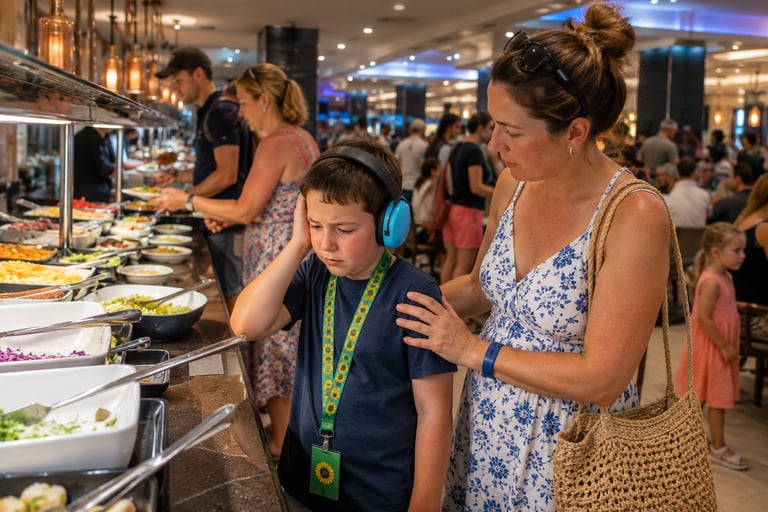
Busy dining halls, loud entertainment, unfamiliar smells, and crowded pool areas can quickly become overwhelming.
On the other hand, too much isolation or lack of structure can also create difficulties for some children.
That’s why choosing the right accommodation is one of the most important neurodiverse family travel tips you can follow.
The National Autistic Society highlights that preparation, predictability, and understanding sensory triggers can significantly reduce travel stress for autistic children.
The Pros of Staying in a Private Villa
1. A Calm, Predictable Environment
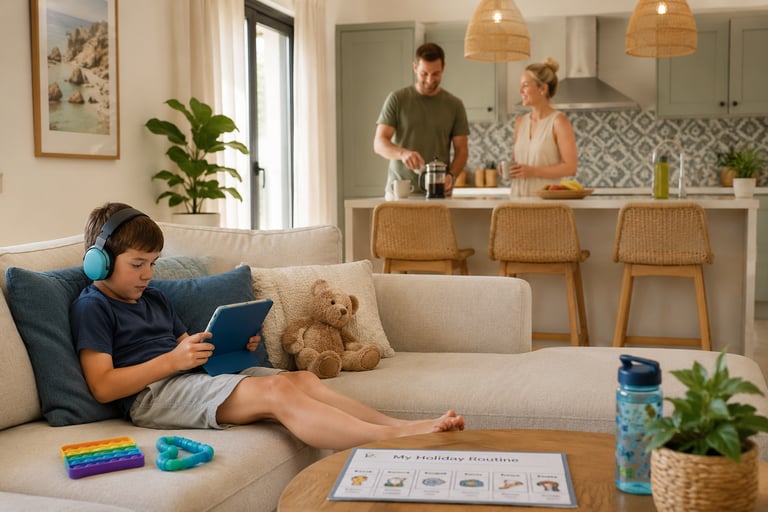
One of the biggest benefits of a villa is control over the environment.
Unlike hotels, there are:
No crowded breakfast buffets
No noisy corridors
No entertainment until midnight
No unexpected housekeeping visits
For children with sensory sensitivities, this calmer setting can feel far safer and more predictable.
Many autistic children struggle with sudden noise and overstimulation. A private villa allows your child to decompress in peace after busy days out.
This can be particularly important when travelling with autistic children who mask heavily in public and need downtime to regulate emotionally.
2. Flexible Meal Times and Familiar Foods
Food can become a major source of anxiety when travelling.
Many neurodiverse children rely on safe foods, specific textures, or familiar routines around eating.
In hotels, buffet dining can feel overwhelming because of:
Strong smells
Noise
Crowds
Waiting times
Unfamiliar foods
A villa gives you access to your own kitchen, allowing you to:
Prepare familiar meals
Stick to existing routines
Reduce stress around eating
Avoid mealtime meltdowns
This flexibility can dramatically improve the overall holiday experience.
Families often find that self-catering reduces pressure and creates a more relaxed atmosphere.
3. Better Sleep Environments
Sleep disruption is common for neurodiverse children, especially during travel.
Hotels can involve:
Slamming doors
Loud guests
Pool noise
Evening entertainment
Thin walls
A private villa can offer a quieter sleep environment, helping children settle more easily.
You can also recreate familiar bedtime routines more effectively.
Bringing favourite blankets, night lights, sensory toys, or white noise machines becomes much easier when you have your own private space.
4. More Freedom During Meltdowns
Meltdowns are not bad behaviour—they are often signs of overwhelm.
In hotels, parents can sometimes feel judged during difficult moments in shared spaces.
A villa provides privacy and freedom to support your child without worrying about:
Other guests staring
Noise complaints
Social pressure
Leaving restaurants abruptly
This can reduce anxiety for parents as well as children.
Creating child-led holidays is often one of the most effective ways to make travel enjoyable for neurodiverse families. Our guide to creating child-centred holidays for neurodiverse families or autism travel tips uk explores this in more detail.
5. Private Pools and Outdoor Space
Busy hotel pools can be extremely overwhelming.
Noise, splashing, whistles, crowds, and unpredictable behaviour from other guests may trigger sensory overload.
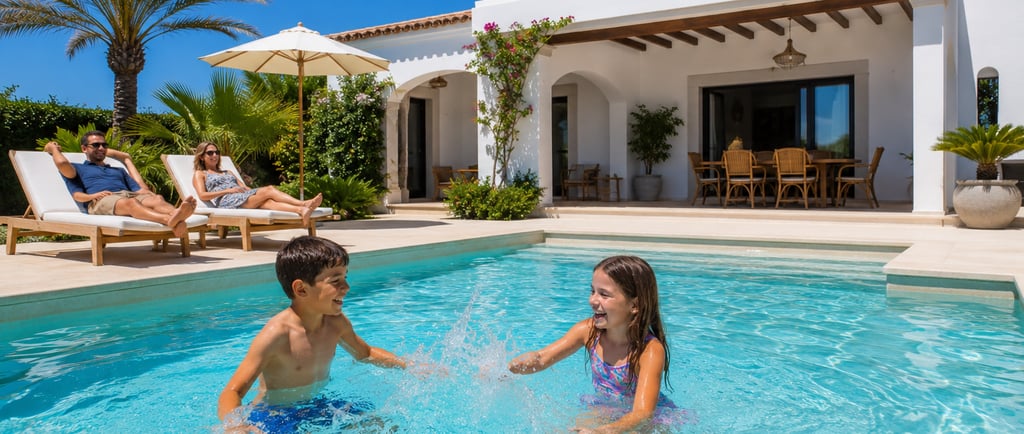
Many villas offer private pools or quiet outdoor areas where children can play safely in a calmer environment.
For sensory seekers, having space to move freely can also help with regulation.
The Cons of Staying in a Private Villa
1. Less On-Site Support
Hotels often provide conveniences that make travel easier, including:
Kids’ clubs
Restaurants
Entertainment
Reception support
Cleaning services
With a villa, parents usually manage everything themselves.
Cooking, cleaning, shopping, and organising activities can become tiring—especially if your child already needs significant support.
2. Potential Isolation
While privacy can be beneficial, some children enjoy the stimulation and structure hotels provide.
A villa may feel:
Too quiet
Too unfamiliar
Lonely for sociable children
Some neurodiverse children thrive on predictable activities and enjoy hotel entertainment, especially when routines are clearly structured.
3. Transport May Be Needed More Often
Hotels are usually close to beaches, attractions, or restaurants.
Villas can sometimes be located in quieter residential areas, meaning you may need:
A hire car
Frequent taxis
Longer journeys
Extra transport can increase stress if your child struggles with transitions or travel fatigue.
4. More Planning Required
Villa holidays often require more organisation beforehand.
Parents may need to research:
Supermarkets nearby
Medical services
Quiet attractions
Sensory-friendly restaurants
Safety features
Preparation is essential when travelling with autistic child abroad.
Trip.com can be useful for checking reviews, noise levels, family suitability, and accommodation photos before booking.
When Hotels May Work Better
Hotels can still be excellent choices for neurodiverse families when they offer:
Quiet family areas
Sensory-friendly facilities
Flexible dining
Apartment-style rooms
Predictable entertainment schedules
Some autistic children enjoy routine and repetition, meaning structured hotel environments may actually feel reassuring.
The key is researching carefully before booking.
Look for:
Smaller hotels
Family suites
Quiet resorts
Autism-friendly travel providers
Reviews mentioning calm environments
The National Autistic Society advises families to communicate additional needs with accommodation providers before arrival whenever possible.
Questions to Ask Before Booking a Villa
Before choosing a villa, consider:
Is there fencing around the pool?
Is the area quiet at night?
How far is the nearest supermarket?
Is Wi-Fi reliable for comfort devices or tablets?
Is there air conditioning?
Are there blackout curtains?
How close are medical facilities?
Will your child cope with a less structured environment?
Thinking about these details early can prevent unnecessary stress later.
Finding the Right Balance
There is no perfect accommodation choice for every neurodiverse family.
Some families love the calm and flexibility of villas. Others prefer the convenience and familiarity of hotels.
Sometimes the best solution is a hybrid option, such as:
Aparthotels
Resort villas
Quiet self-catering apartments within family resorts
The most important thing is choosing accommodation that supports your child’s individual needs—not what looks best on Instagram.
A successful holiday may not look relaxing to everyone else. It may involve flexible plans, downtime, sensory breaks, and early nights.
But if your child feels safe, regulated, and happy, then the holiday has been a success.
Final Thoughts
Travelling with an autistic child abroad requires thoughtful planning, flexibility, and realistic expectations.
Private villas can provide calm, privacy, and control that many neurodiverse children need to thrive on holiday. However, hotels can also work brilliantly when chosen carefully.
Every neurodiverse child is different.
The goal is not to create the “perfect” holiday—it’s to create one that genuinely works for your family.
For more neurodiverse family travel tips, explore more resources at Holidays and Kiddos.
Sources