
How to Handle Flight Delays with Neurodiverse Kids: Airport Meltdown Tips for Families
Practical advice for handling flight delays with autism and neurodiverse children. Discover airport meltdown tips, sensory strategies, and support for travelling with a neurodiverse child.
TRAVELLING WITH A NEURODIVERSE CHILD
5/18/20264 min read
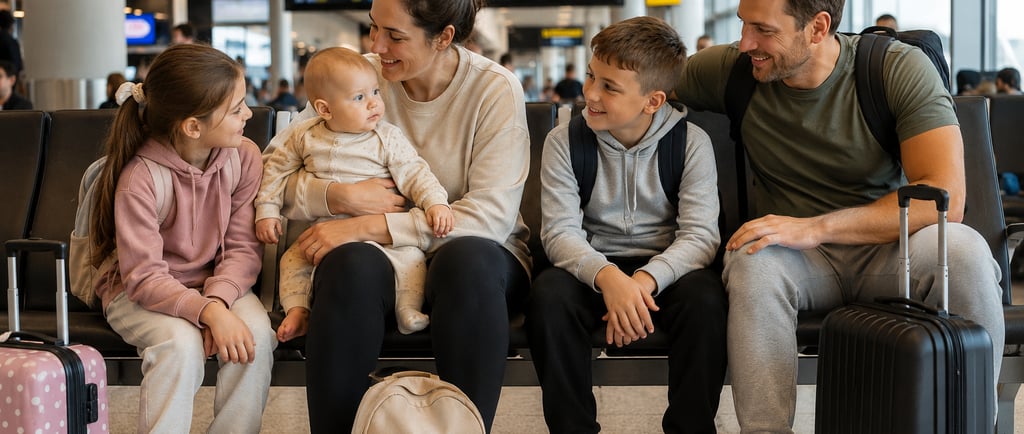
Flight delays are stressful for most families — but when you’re travelling with a neurodiverse child, unexpected waiting, changes in routine, noise, crowds, and uncertainty can quickly become overwhelming.
For autistic children, ADHD children, or kids with sensory processing differences, a delayed flight can trigger anxiety, sensory overload, emotional dysregulation, or meltdowns. The good news is that with preparation, flexibility, and the right coping strategies, you can make delays far more manageable for everyone.
If you’re planning a family trip soon, start by reading our pillar guide on preparing your neurodiverse child for going on holiday and our article on managing travel anxiety for neurodiverse kids.
Why Flight Delays Are Hard for Neurodiverse Children
Many neurodiverse children rely heavily on predictability and routine. Airports already involve:
Long queues
Loud announcements
Bright lighting
Crowded waiting areas
Sudden transitions
Unfamiliar smells and sounds
A delay adds uncertainty on top of that.
For some children, this can lead to:
Anxiety or panic
Emotional shutdown
Increased stimming
Frustration and anger
Sensory overload
Exhaustion
Meltdowns
Understanding that the behaviour is often a stress response — not “bad behaviour” — helps parents approach delays with more empathy and calmness.
Prepare for Delays Before You Travel
One of the best airport meltdown tips is to assume delays could happen and prepare for them in advance.
Even a short delay can feel endless to a child who is struggling emotionally or sensory-wise.
Pack a Delay Survival Kit
Your hand luggage can make a huge difference during a flight delay autism situation.
Useful items include:
Noise-cancelling headphones or ear defenders
Favourite snacks and drinks
Comfort toys or blankets
Downloaded films or games
Fidget toys
Sensory tools
Tablets with chargers and power banks
Spare clothes
Medication
Visual schedules or social stories
Having familiar items available provides comfort and predictability in an unpredictable environment.
Talk About “What If” Scenarios
Preparation reduces anxiety.
Before your trip, explain calmly that flights can sometimes be delayed. Use simple language appropriate to your child’s age and understanding.
You could say:
“Sometimes planes are late, and we may have to wait longer at the airport. If that happens, we’ll stay together and find things to do.”
Visual schedules can also help. Include alternative scenarios such as:
Waiting longer
Eating at the airport
Sitting quietly together
Taking movement breaks
This can make changes feel less frightening if they happen.
Request Airport Assistance
Many UK airports offer excellent support for hidden disabilities, including autism. Assistance may include:
Priority security
Quiet waiting areas
Additional boarding support
Sensory-friendly spaces
Sunflower lanyards
Trained staff assistance
Passengers with hidden disabilities such as autism are legally entitled to support when flying from UK airports.
You should usually request assistance at least 48 hours before travel.
Find a Calm Space During Delays
When delays happen, the gate area can become noisy, crowded, and stressful very quickly.
If your child is becoming overwhelmed:
Walk to a quieter terminal area
Look for family rooms or sensory spaces
Use airport assistance lounges if available
Reduce sensory input where possible
Movement can also help regulate emotions. Some children cope better after walking around the airport instead of sitting still for long periods.
Keep Food and Hydration Consistent
Hunger and dehydration can massively increase emotional dysregulation.
Unfortunately, delays often disrupt normal meal routines.
Try to:
Offer snacks regularly
Keep familiar safe foods available
Encourage water intake
Avoid long gaps without eating
Many neurodiverse children struggle with unfamiliar foods, so packing preferred snacks is essential.
Use Screens Without Guilt
During a stressful delay, survival mode is perfectly acceptable.
If tablets, games, favourite videos, or comfort shows help your child regulate, use them.
Airports are not the place to worry about screen-time rules.
Predictable, familiar entertainment can help reduce anxiety and prevent escalation.
Recognise Early Signs of Overload
One of the most valuable airport meltdown tips is spotting stress before it becomes a full meltdown.
Early warning signs may include:
Pacing
Repetitive questioning
Covering ears
Increased stimming
Irritability
Tearfulness
Withdrawal
Refusing instructions
Intervening early with breaks, snacks, movement, reassurance, or sensory tools is often more effective than waiting until your child is fully overwhelmed.
Stay Calm — Even When It’s Difficult
Children often mirror adult stress.
Flight delays are frustrating, especially if you’re tired, anxious, or worried about missed connections.
But remaining as calm as possible helps your child feel safer.
That doesn’t mean pretending everything is perfect. It means showing reassurance:
“I know this is hard. We’re safe, and we’ll figure it out together.”
Simple reassurance can go a long way.
Have a Flexible Mindset
Sometimes the holiday won’t begin exactly as planned.
A delayed flight might mean:
A late hotel arrival
Missed activities
Tired children
Emotional exhaustion
When travelling with neurodiverse child challenges arise, flexibility matters more than perfection.
If possible:
Lower expectations for the first day
Prioritise rest after arrival
Build downtime into your itinerary
Avoid overscheduling travel days
Know Your Rights During Flight Delays
If your flight is significantly delayed, you may be entitled to assistance and compensation under UK law.
Under UK261 regulations, airlines must provide care during delays, including food, drinks, and accommodation when necessary.
You may also qualify for compensation if:
You arrive more than 3 hours late
The delay was the airline’s fault
The flight departed from the UK/EU, or arrived there on a UK/EU airline
Compensation can range from around £220 to £520 depending on flight distance.
Keep Evidence
If your flight is delayed:
Save boarding passes
Photograph departure boards
Keep receipts for food or essentials
Save airline emails or texts
Ask staff for the reason for delay
This makes compensation claims much easier later.
Don’t Worry About Judgement
Public meltdowns can feel incredibly isolating.
But your child is not “misbehaving” — they are struggling.
Most parents of neurodiverse children know that airports can be one of the hardest environments to navigate.
Focus on supporting your child rather than worrying about strangers’ opinions.
Final Thoughts
Flight delays are never ideal, but preparation can make a huge difference.
When travelling with neurodiverse child challenges arise, the goal is not perfection — it’s reducing stress where possible and supporting your child through difficult moments.
Remember:
Pack for delays
Prepare your child in advance
Use airport assistance
Watch for overload signs
Stay flexible and calm
Know your passenger rights
Most importantly, be kind to yourself. Travelling with neurodiverse children requires resilience, planning, and adaptability — and that deserves recognition.
For more support, read our guides on preparing your neurodiverse child for going on holiday and managing travel anxiety for neurodiverse kids.

