
How Different Cultures View Neurodiverse Children: A UK Parent’s Guide
How Different Cultures View Neurodiverse Children: A UK Parent’s Guide
TRAVELLING WITH A NEURODIVERSE CHILD
5/1/20264 min read
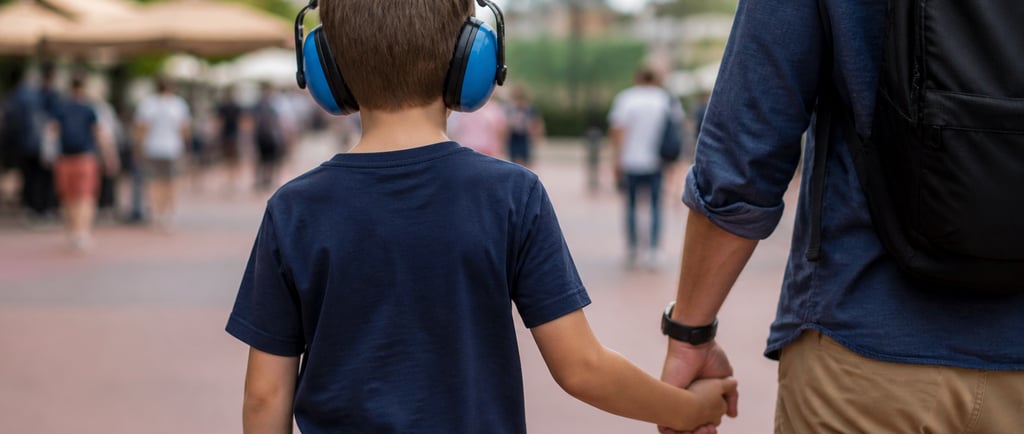
Travelling Abroad with a Neurodiverse Child: Understanding Cultural Differences
Affiliate Disclosure: This article may contain affiliate links to family travel products, sensory aids, and holiday essentials for neurodiverse children. If you purchase through these links, Holidays and Kiddos may earn a small commission at no extra cost to you.
Travelling abroad with a neurodiverse child can feel overwhelming, especially when cultural expectations around behaviour differ from what you’re used to in the UK. With the right preparation, however, families can feel more confident navigating new environments—our guide to preparing your neurodiverse child for going on holiday offers practical strategies to help before you even leave home.
If you’re considering destinations like Morocco, it’s also helpful to understand cultural expectations in advance—see our detailed advice on family travel in Morocco with neurodiverse kids for destination-specific planning tips.
While awareness of autism, ADHD, and additional needs is growing here, this level of understanding isn’t the same everywhere. When you travel, you’re not just navigating a new destination—you’re stepping into a different cultural mindset.
Understanding these differences can help you prepare, reduce stress, and support your child with confidence.
What Does Neurodiversity Mean?
Neurodiversity refers to natural differences in how people think, learn, and experience the world. It includes conditions such as:
Autism
ADHD
Dyslexia
Sensory processing differences
In the UK, neurodiversity is increasingly recognised, with more inclusive schools, SEN support, and public awareness.
Why Cultural Awareness Matters When Travelling
In the UK, many families benefit from:
SEN-friendly environments
Inclusive attractions
Growing public understanding
However, these expectations may not exist abroad.
A behaviour that is understood at home—such as stimming, sensory overload, or a meltdown—may be unfamiliar in another country. This can sometimes lead to stares, confusion, or judgement.
Being prepared for these differences helps you respond calmly and advocate for your child when needed.
👉 If you’re just starting out, read our guide on preparing your neurodiverse child for travel
How Different Cultures View Neurodiverse Children
UK and Similar Countries (Ireland, Australia, Canada)
In countries similar to the UK, awareness of neurodiversity is increasing.
You may find:
Sensory-friendly attractions
Priority access schemes
Staff trained in additional needs
Example: Many airports now recognise hidden disabilities and offer support such as quiet spaces or assistance through security. You can also explore more practical advice in our guide to supporting your neurodiverse child at the airport.
East Asian Cultures (Japan, South Korea)
In countries like Japan, there is a strong emphasis on:
Social harmony
Routine
Quiet public behaviour
This means behaviours that stand out—such as loud distress—may attract attention.
This isn’t about a lack of kindness, but different social expectations.
Example: A child experiencing sensory overload on public transport may receive curious looks simply because it is less common in that setting.
Southern Europe (Spain, Italy, Greece)
Southern European cultures are often:
Family-focused
Warm and welcoming to children
Social and lively
Children are usually included in public life, but structured support for additional needs may be limited.
Example: Restaurants may be noisy and busy, which can feel overwhelming for sensory-sensitive children. Planning ahead using strategies from our reducing travel anxiety for neurodiverse children can help minimise these challenges.
Countries with Lower Awareness
In some destinations, awareness of neurodiversity is still developing.
You may encounter:
Limited understanding of autism or ADHD
Fewer support systems
Misinterpretation of behaviour
Example: A meltdown may be seen as misbehaviour rather than distress.
What UK Parents Should Be Mindful Of
When travelling, expect a range of reactions—from kindness and curiosity to misunderstanding.
The key is preparation.
Plan Ahead
Research destinations, quieter times, and family-friendly environments.
Keep Familiar Routines
Use visual schedules, comfort items, or familiar activities to provide stability.
👉 This is especially helpful if you follow simple routines for stress-free family travel
Know Your Environment
Identify quiet areas or exits in busy places before you need them.
Advocate Calmly
A simple explanation can go a long way in easing situations.
Practical Tips for Travelling with a Neurodiverse Child
Here are simple strategies that can make a big difference:
Learn a few key phrases in the local language
Carry a short explanation card
Use a sunflower lanyard where recognised
Choose quieter accommodation
Build downtime into your itinerary
👉 For more ideas, read how to reduce travel anxiety for neurodiverse kids
Real-Life Example
If your child becomes overwhelmed in an airport queue, calmly explaining their needs to staff or using a recognised lanyard can often lead to quicker support.
If a restaurant feels too busy, stepping outside for a short break can help your child regulate before returning.
Final Thoughts
As a UK parent, you may be used to increasing awareness and inclusion—but the world is not the same everywhere.
That doesn’t mean you should avoid travelling.
With preparation, flexibility, and cultural awareness, travelling can still be a positive and enriching experience for your whole family.
It’s not about avoiding challenges—it’s about navigating them with confidence.
Frequently asked questions
How do different cultures view neurodiverse children?
Different cultures have varying levels of awareness and understanding of neurodiversity. In some countries, autism and ADHD are widely recognised and supported, while in others there may be less awareness, fewer accommodations, or different social expectations around children’s behaviour.
How can I prepare my neurodiverse child for travelling abroad?
Preparation can significantly reduce travel anxiety. Families may benefit from visual schedules, social stories, sensory toolkits, and discussing what to expect before travelling. Our guide to travelling with a neurodiverse child includes practical preparation tips for smoother family holidays.
Why is cultural awareness important when travelling with a neurodiverse child?
Understanding cultural differences can help families prepare for unfamiliar reactions, reduce anxiety, and plan more supportive travel experiences. It also helps parents respond calmly if behaviours such as stimming, sensory overwhelm, or meltdowns are misunderstood abroad.
What should I do if people misunderstand my child’s behaviour abroad?
Remain calm and focus on supporting your child first. Some parents find it helpful to briefly explain that their child is autistic or neurodiverse, while others prefer not to. Carrying sensory supports and planning quieter activities can help reduce stressful situations during travel
Are autism-friendly holidays available outside the UK?
Yes. Many destinations now offer autism-friendly holidays with quieter environments, sensory-friendly activities, flexible dining, and family-focused accommodation. Resorts in destinations such as Morocco, Spain, and parts of Europe are becoming increasingly inclusive for neurodiverse families.
How can I reduce airport stress for autistic children?
Busy airports can feel overwhelming due to crowds, noise, waiting times, and unfamiliar routines. Preparing children in advance, using sensory aids, and booking airport assistance where available can help make travel calmer. These airport tips for autistic children may help families prepare for smoother journeys.

