
Family-Friendly Destinations in Europe for Neurodiverse Kids (Low-Stress & Sensory-Friendly Travel)
Discover 10 neurodiverse-friendly destinations in Europe, including calm resorts and sensory-friendly locations perfect for low-stress family holidays with kids.
TRAVEL INSPIRATION
5/1/20263 min read
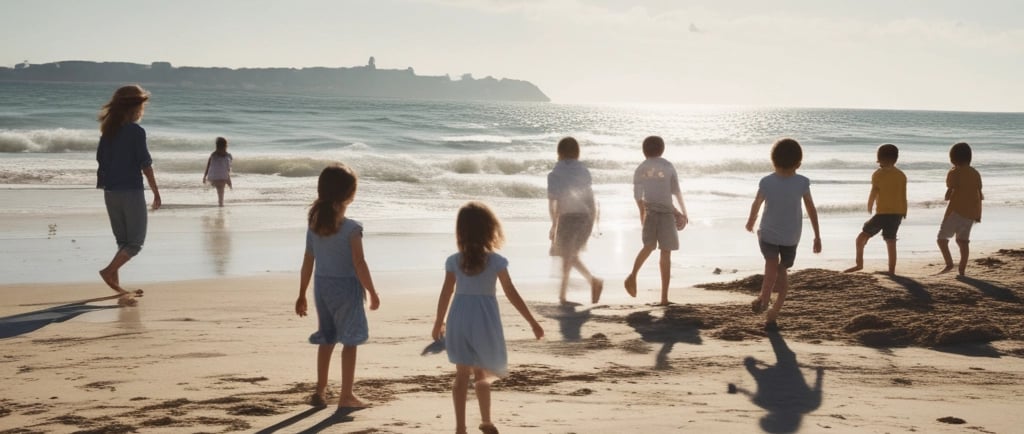
Travelling with neurodiverse children—whether they are autistic, have ADHD, or experience sensory sensitivities—can feel daunting. Busy airports, loud environments, and unpredictable routines can quickly turn a holiday into something overwhelming. But the right destination can make all the difference.
Across Europe, there are places that naturally support calmer, more predictable travel: quieter regions, spacious resorts, and destinations where you can move at your own pace. This guide focuses on neurodiverse-friendly travel in Europe, highlighting locations where children can feel comfortable—and parents can actually relax.
🌍 1. Algarve, Portugal
The Algarve is ideal for families seeking space and flexibility. Outside peak summer, it’s მშვიდ and uncrowded, with wide beaches and gentle rhythms. Many resorts are designed with families in mind, offering structured activities alongside quiet areas.
Stay at Martinhal Sagres Beach Family Resort, where the layout is calm, and routines (like kids’ clubs) are predictable without being overwhelming.
🏝️ 2. Menorca, Spain
Often overlooked in favour of its busier neighbour, Menorca is much quieter than other Balearic islands. Its shallow beaches, slower pace, and low noise levels make it a great choice for sensory-sensitive children.
Opt for smaller accommodations or villas for added control over your environment and daily routine.
🏔️ 3. Tyrol, Austria
If your child finds comfort in nature, Tyrol is a strong option. Fresh air, open landscapes, and structured daily routines in family hotels create a sense of predictability.
At Kinderhotel Oberjoch, everything is designed around families, with clear schedules that many neurodiverse children find reassuring.
🌊 4. Crete, Greece
Crete offers flexibility: you can choose lively areas or retreat to quieter regions. Large resorts often provide enough space for children to step away when things feel overwhelming.
Blue Palace Elounda is a good option if you prefer privacy, with villas and quieter surroundings that reduce sensory overload.
🚤 5. Lake Garda, Italy
Lake Garda combines calm natural settings with optional activities. You can enjoy peaceful lakeside days while still having access to attractions when your child feels up to it.
The ability to control how much stimulation your child experiences makes this a flexible and supportive destination.
🌋 6. Tenerife, Spain
One of the biggest advantages of Tenerife is consistency. The year-round warm weather helps maintain routines, which can be crucial for neurodiverse children.
GF Victoria is designed with families in mind, offering spacious layouts and multiple activity zones, so children can engage—or step back—when needed.
🚲 7. Copenhagen, Denmark
Not all cities are overwhelming. Copenhagen stands out for being clean, organised, and easy to navigate. Parks, open spaces, and reliable transport reduce stress, while the slower pace makes it manageable even for children who struggle with busy environments.
🌲 8. Black Forest, Germany
For a truly calm experience, the Black Forest offers quiet villages, woodland walks, and minimal crowds.
This is an excellent option for children who feel most comfortable in low-stimulation environments, with plenty of opportunities to set your own pace.
❄️ 9. Lapland, Finland
Lapland may seem adventurous, but many experiences here are surprisingly structured and controlled. Smaller resorts offer well-organised activities in calm settings.
Santa Claus Holiday Village provides predictable schedules and contained environments, which can help reduce anxiety.
🏖️ 10. Alentejo, Portugal
If your priority is peace and quiet, Alentejo is hard to beat. With very few crowds, wide-open landscapes, and a slow pace of life, it’s ideal for a complete sensory reset.
This is a destination where doing less is the whole point.
💡 How to Plan a Neurodiverse-Friendly Holiday
A successful trip often comes down to preparation as much as destination. Try to book accommodation that supports flexibility—whether that’s a self-catering villa or a resort with clear routines. Travelling outside peak times can significantly reduce noise and crowds.
Many families also find it helpful to prepare children in advance using visual schedules or by talking through what to expect. Contacting your accommodation ahead of time can also make a big difference, especially if your child has specific needs. And most importantly, build in downtime every day.
✅ Final Thoughts
The best family holidays aren’t about ticking off landmarks—they’re about creating an environment where everyone feels comfortable. With the right destination and a bit of planning, neurodiverse travel in Europe can be not only manageable, but genuinely enjoyable.
By choosing calm, flexible, and supportive locations, you give your child the space to thrive—and yourself the chance to actually enjoy the journey too.
Affiliate Disclosure: This article may contain affiliate links to family travel products, sensory aids, and holiday essentials for neurodiverse children. If you purchase through these links, Holidays and Kiddos may earn a small commission at no extra cost to you.

